
Encountering unexpected guests in your home aquarium is pretty much inevitable, but don't be in a rush to remove them!
This is because some of the critters that are commonly referred to as "hitchhikers" can and will likely provide your aquarium and inhabitants with a tremendous amount of benefits.
However, on the flipside of this there are some that will wreak havoc, causing many problems for your saltwater tank and fish community, which is why it is important to be able to identify them easily.
We have curated a comprehensive list below of the different types of hitchhikers, whilst going through humane ways of removing the harmful ones if they need to be got rid of.
We also explain the reasons why they have appeared in your tank, methods of prevention, and the effects they have on the overall health of your aquarium.
Now, let's dive in to the good, bad, and sometimes ugly truths about aquarium hitchhikers!
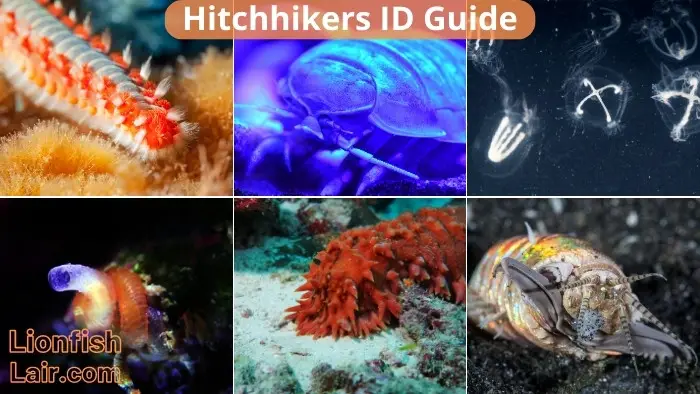
Bad Saltwater Hitchhikers
It makes sense to start this list with the "bad guys", the hitchhikers that, if you discover them in your tank, you will want to remove as quickly as possible.
In this saltwater hitchhikers guide, we will run you through everything, from discovering the critter, to removing the critter in the most effective and humane way.
Aiptasia Anemone
The infamous tank nightmare, Aiptasia Anemone, is a critter you certainly do not want to find in your tank.
They breed incredibly fast, meaning that an infestation could be on the cards if you do not quickly remove them.
They are both elusive and hardy for their size and they have a sting that can kill or injure fish and coral.
Also, their reproduction rates are frightening, meaning that it will probably take a few attempts to totally rid your tank of them.
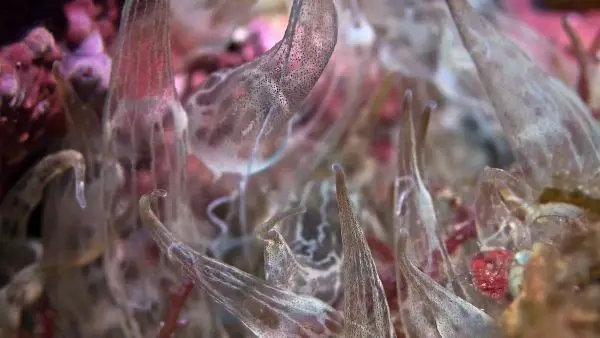
If you discover a large one in your tank, expect a good few more to be hiding within your live rock. You can add chemical additives like Aiptasia X or even a natural solution like lemon juice.
Additionally, adding predatory fish like the Copperband Butterfly may work, but you will need to check the rest of your tank's compatibility with these predatory fish.
However, typically the best removal method is by deploying a Berghia Nudibranch in your tank, their sole diet consists of Aiptasia Anemone, and they are pretty hungry too!
Fireworms
The fireworm is a pretty common discovery, they are closely related to the Bristle Worm, but are not to be confused with them. Fireworms are vicious carnivores that will feed on invertebrates, corals, crustaceans, clams, and much more.
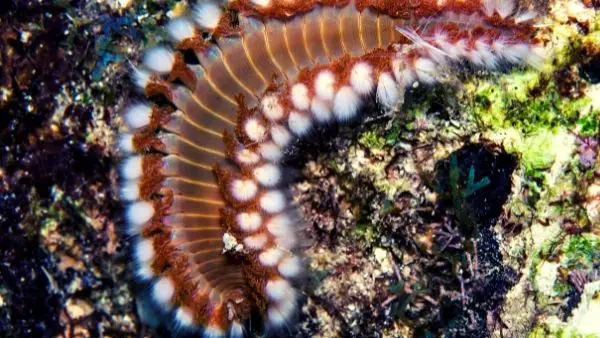
You can either create a Bristle Worm trap or purchase a specific Bristle Worm trap online. Yes, it is called a 'Bristle Worm' trap and these are Fireworms, but they work in the exact same way and are just as effective on Fireworms as Bristle Worms.
Additionally, predators like the Six Line Wrasse or a Coral Banded Shrimp will make light work of them. Lastly, if you are planning on manually removing them, be careful as they can produce a painful sting!
Vermetid Snail
You will find these common hitchhikers residing on frags and live rock. They do not directly attack coral, but they grow near or even on coral skeletons and will stunt coral growth.
When they feed they release mucus sets, which can damage and even wipe out coral. You can either use coral cutters to cut off their base or simply manually remove them.
Polyclad Flatworm
Polyclad Flatworms are perhaps the most allusive critter on this list. You will usually see them on the LPS coral skeletons, which is where they lay their eggs.
Removing them will involve a couple of steps, the first is to use a Bayer Dip, then brush off the skeleton from the coral, removing the eggs as the Bayer Dip will kill and remove the flatworms, just not the eggs.
Majano Anemone
Much like its other hitchhiker counterpart, the Majano Anemone is a pest, and should be removed ASAP. They look similar to Bubble Tip Anemones, just smaller.
To remove these Anemones, you should introduce Peppermint Shrimp as well as Angelfish to kill and eat the pests.
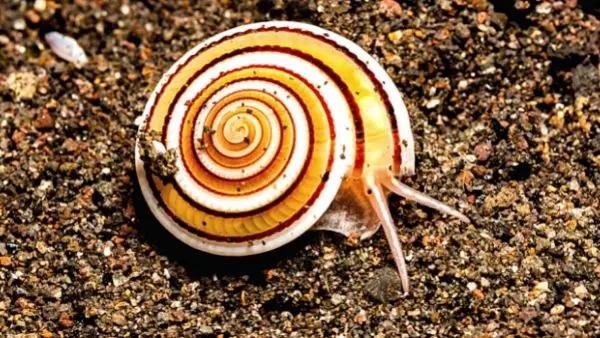
Sundial Snail
Collonista snails are often confused with these guys. However, Sundial Snails are far more harmful to your tank.
They are typically black and white patterned. Using CoralRX to remove these critters is probably the best way of ridding them from your tank.
Hydroid Jellyfish
These annoying jellies are usually discovered in new, less established tanks. They are considered to be bad hitchhikers as they can and probably will sting some of your tank inhabitants. Fortunately, Hydroid Jellyfish will die off naturally and quickly.
Acropora Eating Flatworm
The name of this one doesn't leave much to the imagination. Natural predators of these critters are Six Line Wrasses and other Wrasses, and some Filefish will do the job. Bayer Dips will work on the adults and using a toothbrush to scrape off the eggs is a good idea.
Bobbit Worm
Bobbit Worms will grow around their surroundings, so, if you leave it long enough, you could have a massive fish-eating, aggressive Bobbit Worm on your hands!
They are also really difficult to catch, Bristle Worm traps have been proven to work on smaller worms, but your best bet is manual removal.
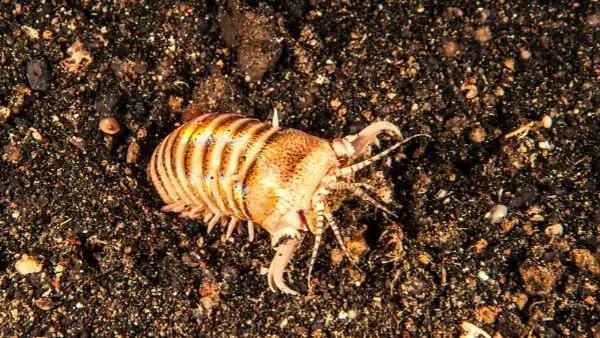
Mantis Shrimp
Mantis Shrimp are aggressive hitchhikers that you will want to remove as soon as you discover them. They are more than capable of attacking other introverts and even small fish.
These shrimp make a strange clicking sound, they will also be very elusive and hard to find, so follow the sound if you discover it. Trapping them with food and then manually removing them is your best bet.
Gorilla Crab
These annoying crabs will eat anemones, clams, and other invertebrates. These crabs have strong armor and will turn your tank upside down if you are not careful as they will grow pretty big too.
Introducing natural predators such as Triggerfish and Pufferfish may be your best chance of ridding them.
Red Planaria Flatworm
Like most worms, these rusty-looking flatworms will reproduce at a ridiculous rate! Therefore, they will quickly overrun an aquarium.
However, there are several methods you can use to remove them, such as Flatworm Exit or natural predators like Wrasses, preferably Six-line or Leopard.
Zoanthid & Montipora Nudibranch
Nudibranches are a total nuisance, but they can be removed pretty easily. CoralRX or Bayer Dip are effective methods for removing the adults, and the eggs will need to be manually removed.
There are many Wrasse species that will take care of them and their eggs too - Six-line Wrasses, Melanurus Wrasses, and Yellow Coris are the best for the job!
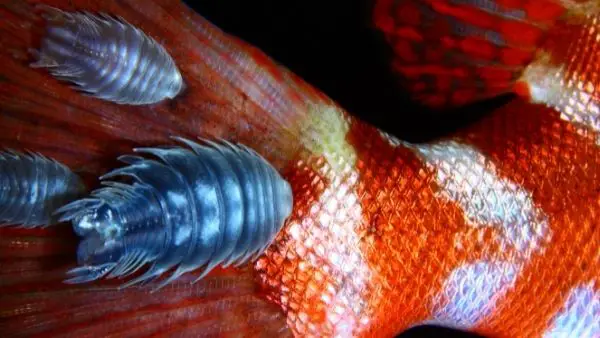
Creoland Isopod
These hitchhikers go the extra mile to justify their name adoption, literally hitchhiking on other fish by attaching themselves to them. Using a freshwater dip may be able to dislodge the parasite.
Zoanthid Spiders
These creepy critters will usually stay hidden beneath Zoanthid mucus, because of this, dipping isn't always the most effective way of ridding them from your tank. Manual removal by using tweezers is by far your best option.
Red Bugs
Red Bugs are like fleas or ticks, they are also nearly impossible to see with the naked eye. Bayer Dips and interceptors have been known to kill the adults and their eggs but aren't 100% proven.
Wrasses and Gobies will certainly do the job for you if you can accommodate them in your tank.
That's it for the bad hitchhikers, now let's move on to the good ones!
Good Saltwater Hitchhikers
Now that we have looked at the most common "bad guys" that will likely cause havoc in your aquarium and that you will need to remove them as soon as you discover them, it makes sense to look at the "good guys".
Good hitchhikers are a pretty common occurrence, which is ideal because when you discover one you will not need to panic and remove them straight away, you can actually spend some time thinking whether or not your aquarium requires their services.
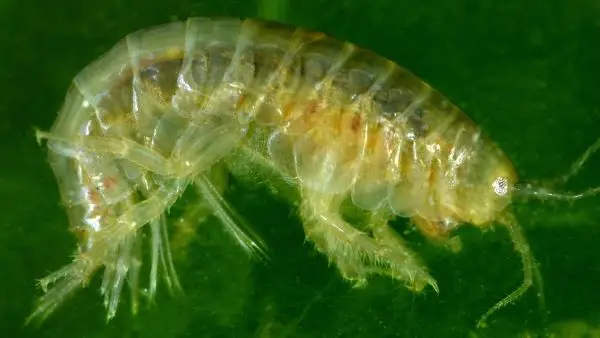
Amphipods
Amphipods may look unusual, but they help to create a super healthy saltwater environment for your fish, providing food for your fish, and also they will feed on leftover food and detritus, both of them will cause your tank to become dirty and unhealthy.
Bristle Worm
There are many benefits to finding a Bristle Worm in your saltwater aquarium. They eat leftover food and detritus and are also brilliant at stirring up the sand bed.
Bryozoans
These are a phylum of aquatic invertebrates, typically living in colonies which can be problematic, but not for your fish! They are not bad to find at all as they will not cause any harm to your fish.
However, you must watch out as they tend to form colonies quickly, which can result in your water filter system getting clogged up by them!
Spaghetti Worm
These unique-looking worms are typically found in sand beds, which is where they catch detritus with their long and thin tentacles. Spaghetti Worms are a fantastic addition to any clean-up crew and should be kept in your tank for as long as you want.
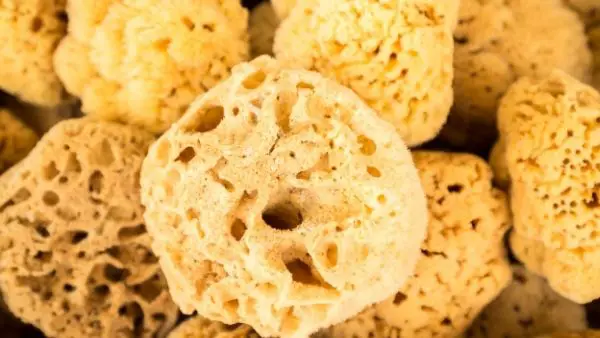
Sponge
Sponges come in an array of different colors and sizes, they are filter feeders and will usually be discovered in the shade of your tank.
Unfortunately, they can reproduce quickly, so introducing Regal Angelfish to control the population is never a bad idea.
Stomatella Snail
These awesome herbivores are actually very fast for snails and they also look more like slugs.
However, they are aggressive algae eaters and will literally rid your tank of any micro-algae system that has built up over time. Stomatella Snails are generally great for your tank so you will want to keep them around.
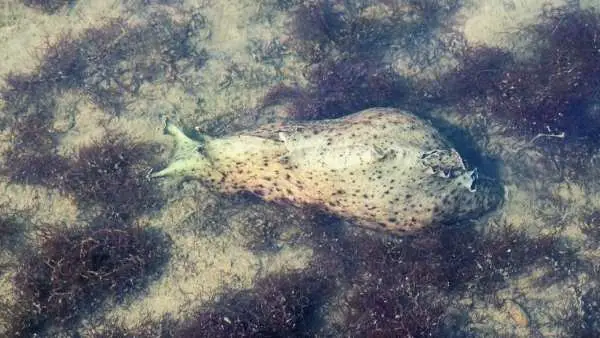
Limpet
They are beneficial herbivores that will feed off the undesired tank leftovers. Some species will eat SPS coral tissue, so watch out for that.
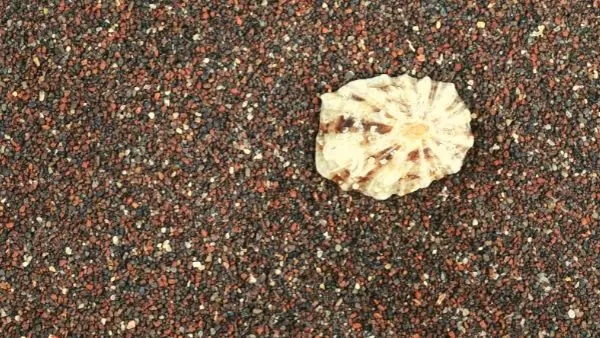
Copepods/Isopods
Any healthy reef aquarium should have some Copepods and Isopods residing within it. They will clean the water column whilst providing food for both coral and fish.
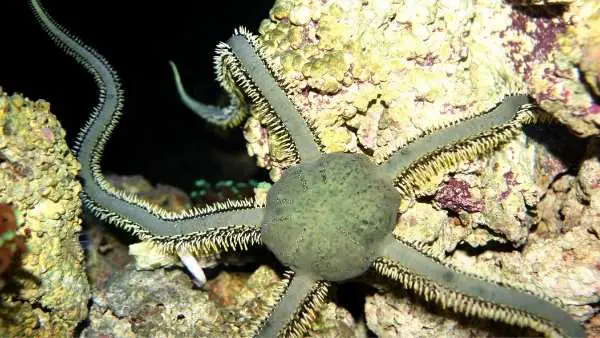
Brittle Starfish
Brittle stars are pretty common when it comes to hitchhikers, however, they are good! They will constantly stir up the sand bed and will keep your tank clean and disease-free by eating detritus and uneaten foods.
Spirorbis
They have the appearance of snails, but they are harmless filter-feeding worms that consume detritus, Phytoplankton, and uneaten foods. They will typically reside in dark areas of your tank.
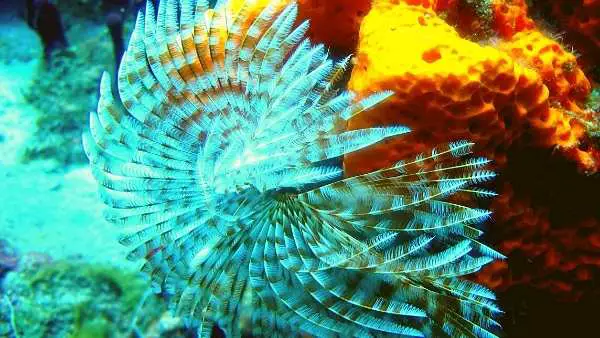
Feather Duster Worm
Apart from having a unique name and somewhat strange, feather-duster-like appearance, these critters are harmless filter feeders.
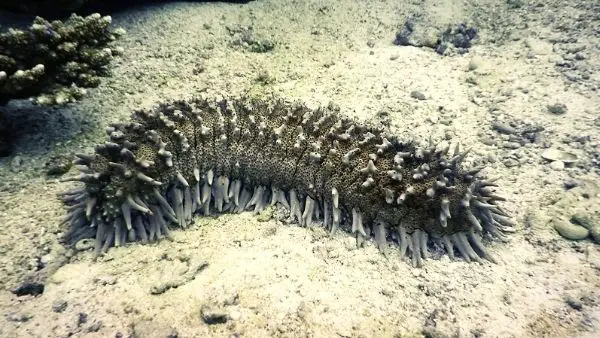
Medusa Worm
This 'worm' is actually a Sea Cucumber. These cucumbers are beneficial particle feeders.
Collonista Snail
These good guys are algae grazers and will typically only come out at night. They eat all of the bad bacteria and wasted food/algae.
Unfortunately, they do seem to reproduce very quickly and can clog up equipment around the tank. Some population control wouldn't go amiss with these critters.
Conclusion
Whenever you discover something new in your tank, it is natural to feel a little uneasy, especially as you didn't introduce the hitchhiking critter yourself.
However, the good guys will bring a tremendous amount of benefit to your tank and aquarium community, so, it may be worth keeping these good hitchhikers around.
Alternatively, if you do see something that has been identified as bad, you must remove it as quickly as possible without panicking.
It isn't going to be the end of the world if you have ordered a specific trap online and it will take a few days to come, just simply monitor the situation and make sure that there is no serious harm being caused to the rest of the inhabitants in your tank.
